
1,500
km
range of platforms now entering the arsenals of modern threat groups
AI-based active protection of critical assets against UAVs
Walls, fences, and patrols have no answer to an airborne attack vector. It is a blind spot.
Strikes are no longer a border problem. The airborne threat line now runs deep inland.
The "missile vs. anti-missile" principle, brought into the age of UAVs.
An integrated counter-UAV system built on the "drone vs. counter-drone" concept. An AI-guided interceptor physically rams the target in mid-air — without explosives, at distant lines of defense well away from the protected asset.
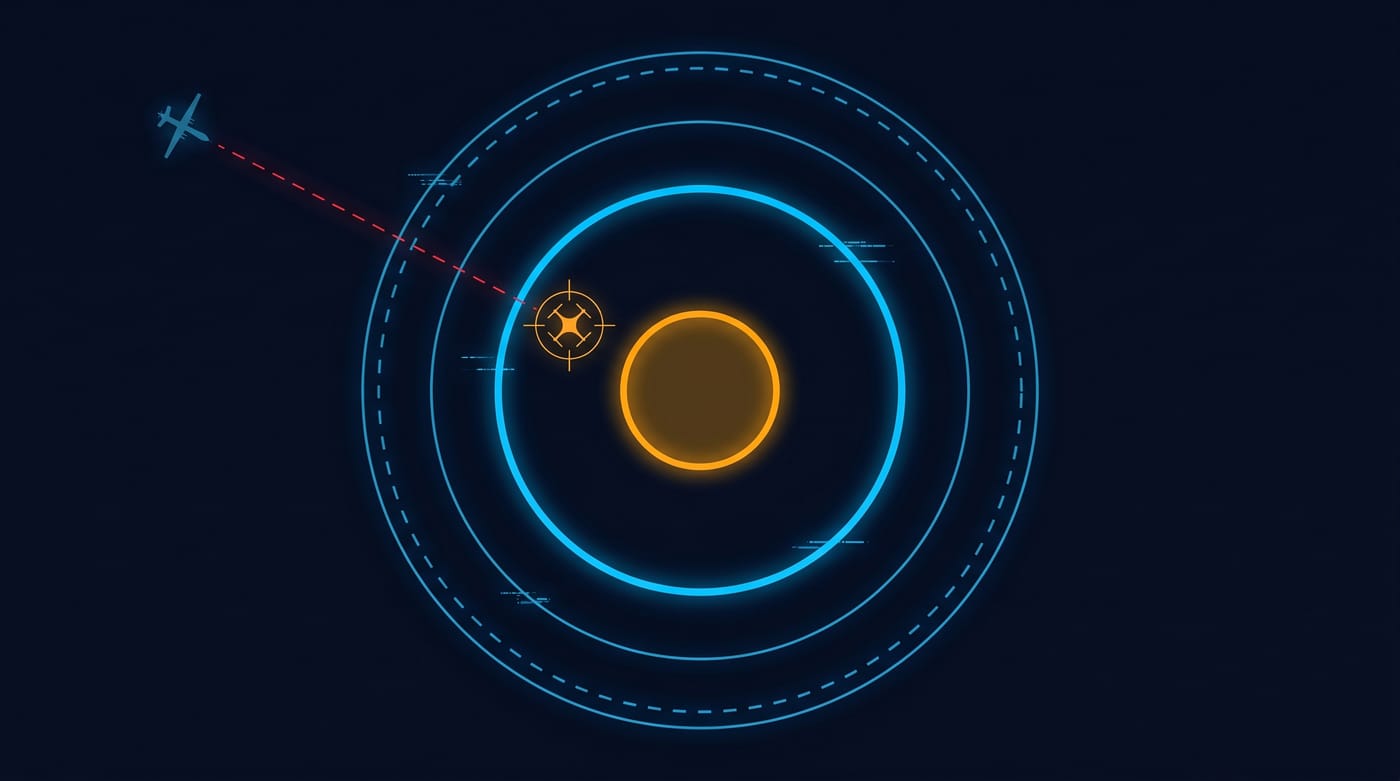
Five steps · human in the decision loop at three points · no explosives
Automated observation posts with cooled 360° thermal imagers detect the target at 10–12 km. Raw video is streamed to the control post.
The server classifies the target: multirotor, fixed-wing UAV, bird, or manned aircraft. The operator receives an alert with a threat level.
The operator confirms the detection; the rapid-response crew launches the nearest drone interceptor. Control runs over a secured radio link.
The pilot flies the interceptor manually to the target area (3–5 km) until the onboard camera achieves visual lock.
The operator hands control to the onboard AI. The drone tracks the target in frame and rams it — physically, without explosives. The asset and personnel stay safe.
Not a replacement for your existing security — its missing airborne layer.
Intercept the target long before it reaches the protected perimeter.
Minimal false alarms and a reaction speed beyond human capability.
Safe for the asset, the surrounding infrastructure, and people.
"Operator + technician" crews, shift rotation, round-the-clock duty.
The cost of a counter-drone is incomparable to the potential damage of a strike.
Time to warn, evacuate, and take cover — because we see the threat first.
We deliberately avoid satellite navigation. That is why GPS/GLONASS jamming poses no threat to us.
GLONASS, GPS, and BeiDou are the first target of any jamming. Ninety percent of autonomous UAVs — both attacking and defensive — depend on these signals. When EW switches on, they fall or lose control.
The interceptor is flown by a pilot over a radio link. In the final phase, the onboard AI tracks the target with its own video feed — no satellite connection at the moment of engagement. The visual channel cannot be jammed.
We do not interfere with your existing EW systems. We are not vulnerable to jamming by attackers. We protect where others fall together with the threat.
One technology core — three deployment profiles tailored to the type of infrastructure.
A fixed defensive perimeter. A complement to existing physical security where it is powerless — in the air. Early detection, time to evacuate personnel, and active neutralization of the threat.
A mobile defensive perimeter on board. Protection of crew, cargo, and vessel along routes, at anchorages, and during transshipment. A compact control post, a 24/7 crew, and autonomous power.
A network of mobile units and early-warning posts with overlapping sectors along the line. Oversight of the route across an extended stretch. Response by mobile crews on a signal from a post.
Reference configuration for an extended asset (16+ km): 7 observation posts · 4 response groups · 1 control post · laboratory.
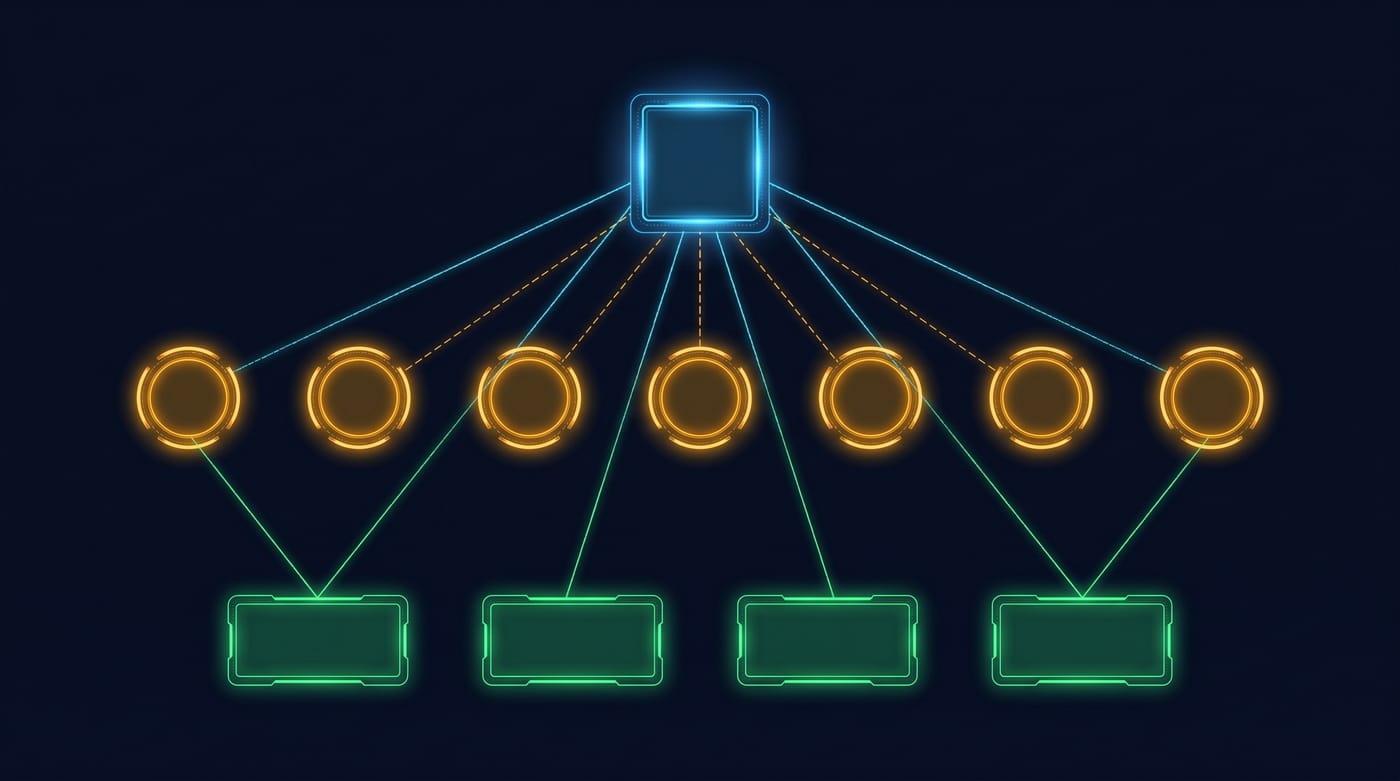
The single point of video processing. AI target-classification server and operator workstation. Up to 10 kW, heated room, UPS.
Collection and transmission only: a cooled 360° thermal imager, arctic-grade build, autonomous power. No on-site processing.
Ground control station, pilot console, operator PC. A 2-person crew, 24/7 operation, autonomous power up to 3.5 kW.
Video camera + onboard autonomous AI module. Final target lock and guidance with no dependence on GPS/GLONASS.
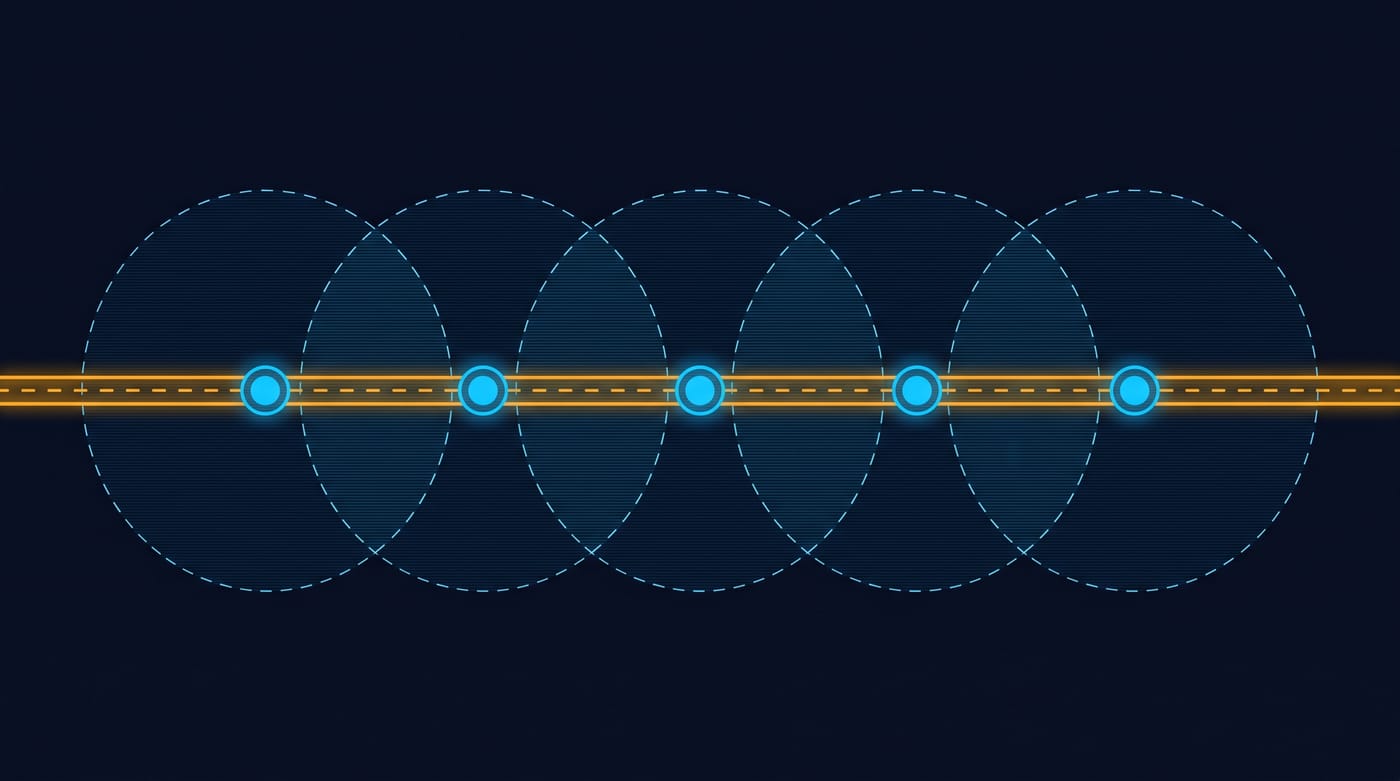
Further details and the full configuration are disclosed under NDA.
| Airframe type | quadcopter on 10″ props |
| Takeoff weight | up to 3 kg |
| Cruise / max speed | 70 / 120 km/h |
| Range from launch point | 10–12 km |
| Endurance | up to 15 minutes |
| Operating altitude | up to 1,500 m |
| Temperature range | −30 … +45 °C |
| Permissible wind | up to 10 m/s, light precipitation |
| Neutralization method | physical ram, no explosives |
| AI server at the control post | classifies video from all observation posts |
| Target classes | fixed-wing and multirotor UAVs |
| Time to decision | 25–30 seconds |
| False-positive threshold | ≤ 5% (target) |
| Onboard AI on the drone | autonomous control module |
| Drone camera | video camera (not thermal) |
| GPS/GLONASS dependence | none — resilient to EW |
| Channel encryption | AES, dedicated band |
| Logging | full event audit trail |
Eight specialists with hands-on counter-UAV experience. Ready to deploy on site.
Four stages, 30–45 days. Full support on our side throughout.
Assessment of perimeter, terrain, operating regime, and integration points — 3–5 days
We lock in the defense perimeter, SLA, and metrics — 3 days
Assembly of platforms, installation of posts, crew training — 20–30 days
Crews on site, start of round-the-clock duty
Our interceptor does not rely on satellite navigation (GLONASS/GPS) during the engagement phase. The operator pilots the drone manually over a radio link, and in the final phase the onboard AI tracks the target using the video feed from its own camera. As a result, satellite-navigation jamming — which disables most autonomous UAVs — has no effect on VOLKODAV.
EW jams the control channel but is ineffective against targets with fiber-optic control, onboard autonomy, or alternative communication channels. Kinetic interception physically destroys the target in mid-air regardless of how it is controlled, without explosives — a mid-air ram at a distant line of defense, well away from the protected asset.
Private residences and premium-class estates, data centers, logistics hubs and warehouses, agricultural estates, private industrial sites, events and gatherings, and vessels (tankers, bulk carriers). The solution is configured for each specific asset — by area, terrain, and threat profile.
From 30 to 45 days from contract signing to the crew standing 24/7 watch on site. This includes: site audit (3–5 days), preparation and logistics (20–30 days), training and integration (10 days), and crews going on round-the-clock watch.
A human makes the decision at three independent control points. The operator at the control post confirms detection and authorizes launch. A pilot in the response crew flies the interceptor manually to the target area. The operator then confirms visual lock, and only after that does the onboard AI engage autonomous mode for the final ramming phase.
The cost depends on the type of asset, the length of the perimeter, the climate profile, and the level of protection. A baseline configuration for a single fixed asset starts at the level of "enhanced hardened security." The final price is determined after a brief site audit. Request a preliminary estimate through the contact form.
Yes. We integrate with the asset's video surveillance system (read-only video streams), coordinate frequency bands with your existing EW contractor, and align operating procedures with the physical security service and the client's security department.
All operators hold civil-aviation authority licenses for UAVs up to 30 kg. Flight regimes are coordinated through the airport's information system (if the asset is near air traffic) and the local civil-aviation authority. Contractor civil-liability insurance is standard. We handle all permit steps ourselves or jointly with the client's security department.
Describe your asset — we will reply within one business day with a proposal for a short technical call.